An e-visa can only be used at ports on the approved list. The list has been expanded several times and now covers 83 air, land and sea ports.
When you apply for an e-visa you must choose your intended port of entry. Picking a port that is not on the list, or arriving at a different one without checking, is a common source of trouble.
The list was set by Government Resolution 127/NQ-CP of 14 August 2023 and expanded by Resolution 389/NQ-CP of 2 December 2025. It now has 83 ports: 17 airports, 27 land crossings and 39 seaports.
By air
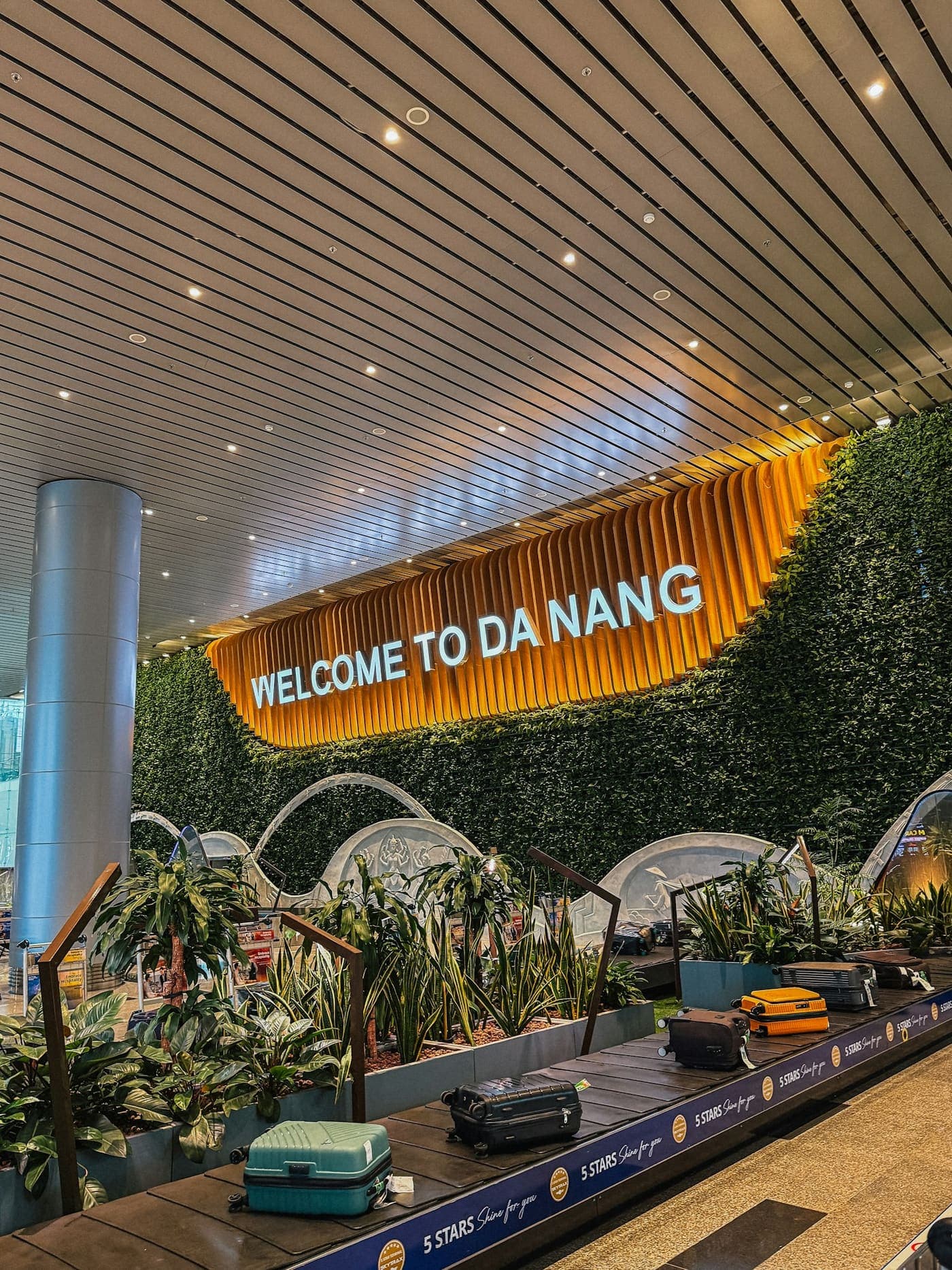
The main international airports all accept e-visas: Noi Bai (Hanoi), Tan Son Nhat (Ho Chi Minh City), Da Nang, Cam Ranh (Khanh Hoa), Phu Quoc, Cat Bi (Hai Phong), Can Tho, Phu Bai (Hue), Van Don (Quang Ninh), Vinh (Nghe An), Chu Lai and several others. Long Thanh (Dong Nai) and Gia Binh (Bac Ninh) airports are also on the list, but only once they open to flights; as of October 2026 Long Thanh was not yet in commercial operation.
By land
Many international crossings on the borders with China, Laos and Cambodia accept e-visas, for example Mong Cai, Huu Nghi, Lao Cai, Lao Bao, Cau Treo, Moc Bai and Xa Mat. Not every land crossing is on the list, so check the exact name of the one you plan to use.
By sea
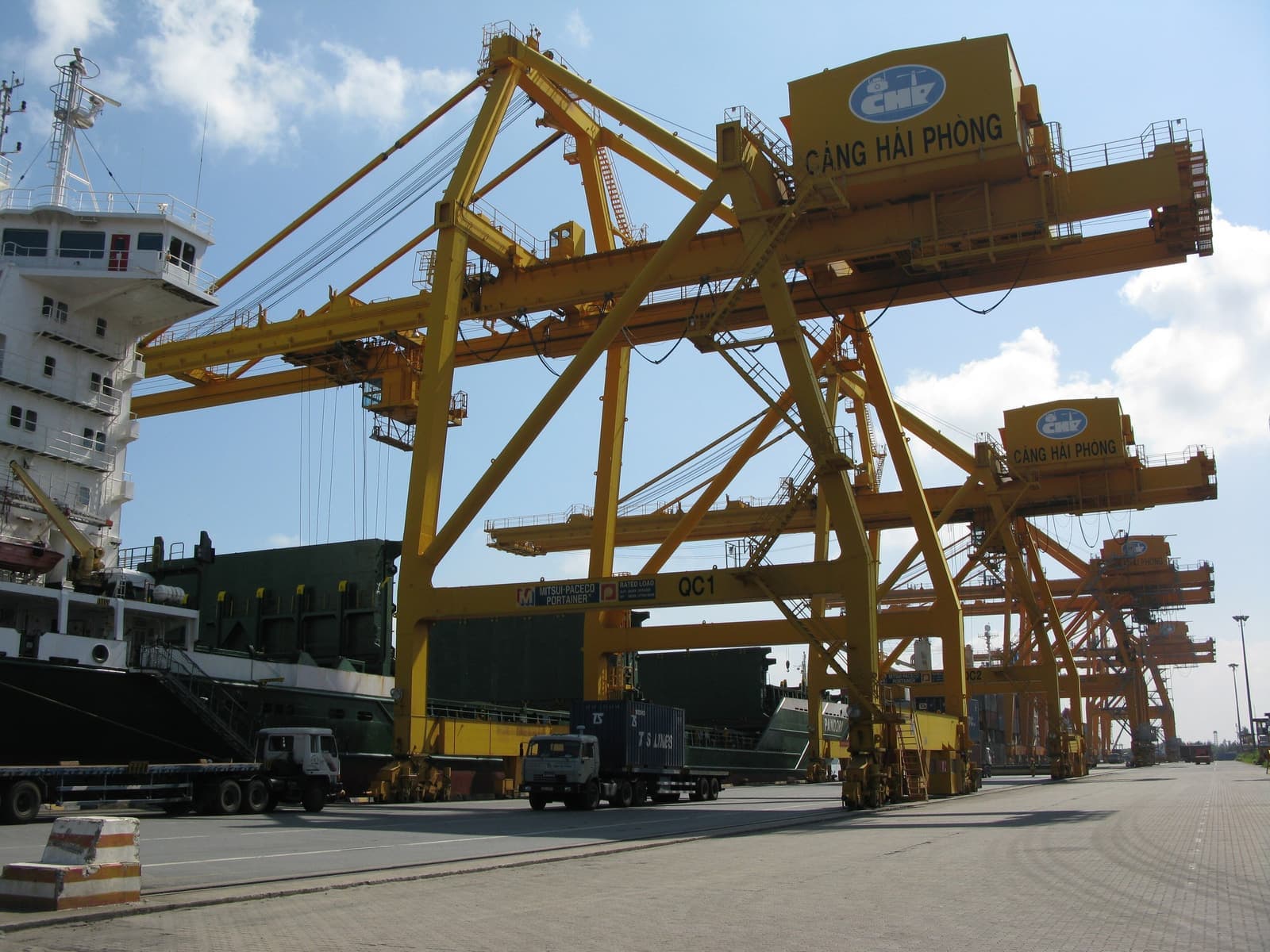
Major seaports such as Hon Gai, Hai Phong, Da Nang, Nha Trang, Vung Tau and Ho Chi Minh City also accept e-visas, mainly for cruise passengers.
Notes on choosing
- Check the latest list before applying, because ports are added in batches.
- Enter the port you will actually use, especially for land crossings.
- If your route changes after the e-visa is issued, ask again before you set off.
- Flying directly to Phu Quoc and staying on the island has its own visa exemption. Going on to the mainland still needs a visa.
Found this useful? Pass it on
Need help with your own case?
See our Vietnam Visa service, or send a request for a free consultation.
Get a quote