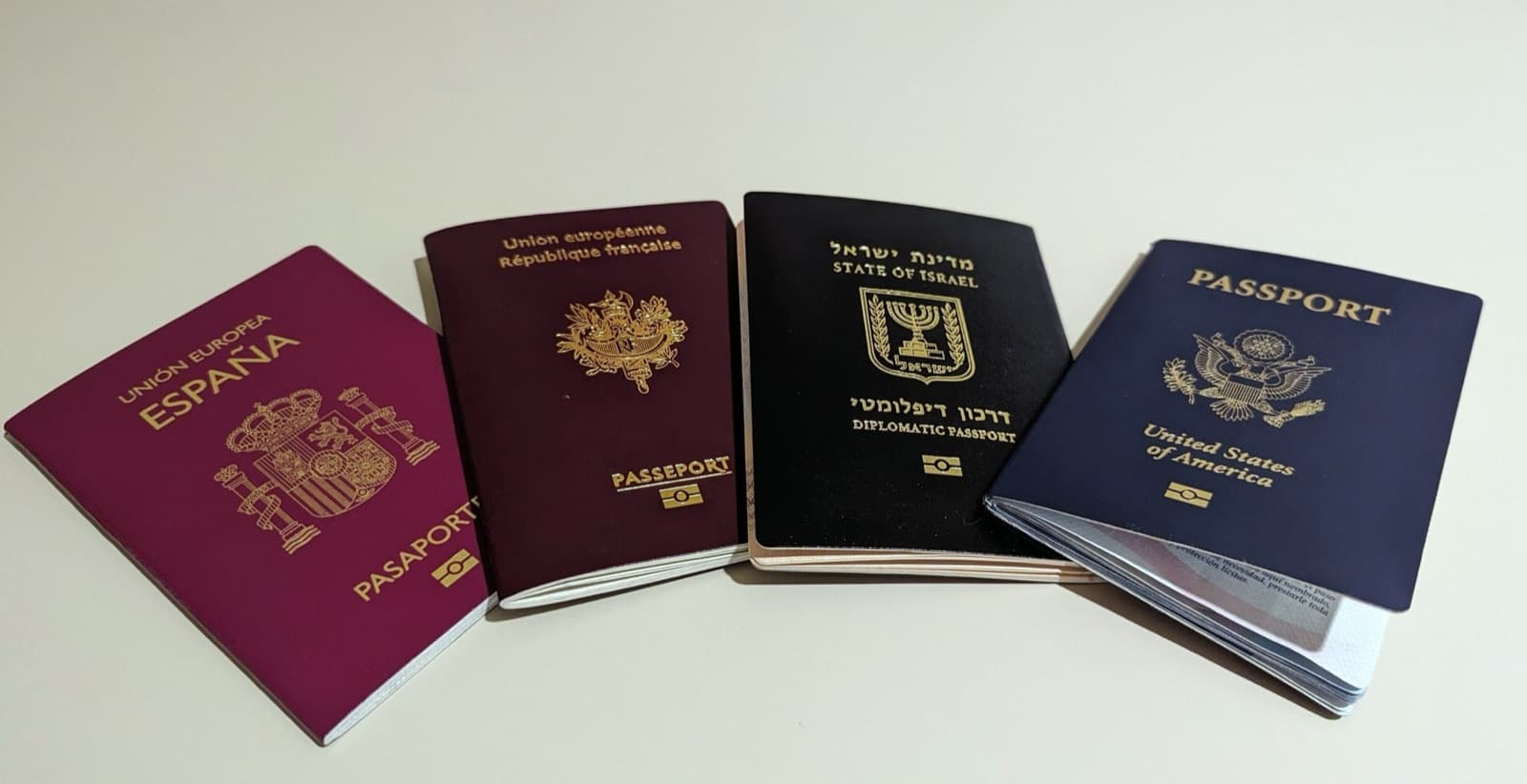
Vietnam waives visas for diplomatic and official passports of 90+ countries, mostly for 90 days, some 30, 14 or 90 in 180 days. Full list by stay.
Vietnam has signed visa exemption agreements with more than 90 countries covering holders of diplomatic passports and official passports (called service or special passports in some countries). Most allow a stay of 90 days; others allow 30 days, 14 days, or 90 days within a 180-day or six-month period.
This guide gives the full list from the Ministry of Foreign Affairs' visa exemption list, with the bilateral agreements updated to 8 September 2025. It is written for HR and admin staff of organisations and embassies, and for official travellers.
Who is covered
The exemption applies to citizens of the partner country who hold a valid diplomatic passport or, where the agreement includes it, an official passport. Depending on the country, the second category is called an official, service or special passport. The exemption covers entry, exit and transit, and the permitted stay is counted from the date of entry.
Each agreement sets its own conditions. Some allow the stay to be extended at the request of the traveller's embassy or consulate, some require a visa in advance for anyone planning to stay longer, and members of diplomatic missions, consulates and international organisations posted to Vietnam follow separate rules. For China and Laos, the exemption also extends to ordinary passports used for official business.
Countries with a 90-day stay
Diplomatic and official passports: Algeria, Argentina, Armenia, Bangladesh, Bolivia, Botswana, Brazil, Cameroon, Chile, China, Colombia, Costa Rica, Côte d'Ivoire, Cyprus, Dominica, the Dominican Republic, Ecuador, Egypt, El Salvador, Hungary, India, Iraq, Japan, Liberia, Mexico, Moldova, Mongolia, Montenegro, Morocco, Mozambique, Nepal, Nigeria, Oman, Pakistan, Panama, Paraguay, Peru, Qatar, Russia, Serbia, Seychelles, Singapore, South Africa, South Korea, Sri Lanka, Tanzania, Tunisia, Turkey, Uganda, Ukraine, the United Arab Emirates, Uruguay and Venezuela.
Diplomatic passports only: the Czech Republic, Israel, Malta, Slovakia and Switzerland.
Iran: 90 days for diplomatic passports; check whether official passports are covered before travelling.
90 days within 180 days or six months
The period is counted from the first entry, and the 90 days can be used in one trip or several.
- 90 days within 180 days: Bulgaria and Sudan (diplomatic and official passports); Estonia, Greece, Lithuania, Poland and Spain (diplomatic passports only).
- 90 days (or three months) within six months: Kuwait, North Macedonia and Slovenia (diplomatic and official passports); France and Italy (diplomatic passports only).
30 days, 14 days and other stays
- 30 days for diplomatic and official passports: Afghanistan, Albania, Angola, Belarus, Brunei, Cambodia, Croatia, Cuba, Kazakhstan, Kyrgyzstan, Laos, Malaysia, Myanmar, Nicaragua, North Korea, the Philippines, Romania, Thailand and Timor-Leste. Azerbaijan: one month.
- 60 days: Uzbekistan, diplomatic passports only.
- 14 days: Indonesia, diplomatic and official passports. This is shorter than the 30 days given to Indonesian ordinary passports.
When diplomatic and official passports are treated differently
For thirteen countries the agreement covers diplomatic passports only: the Czech Republic, Estonia, France, Greece, Israel, Italy, Lithuania, Malta, Poland, Slovakia, Spain, Switzerland and Uzbekistan. Official passport holders from these countries fall under other rules:
- France, Italy and Spain: 45 days under Resolution 44/NQ-CP, for any purpose of entry (in force until 14 March 2028).
- The Czech Republic, Poland, Slovakia and Switzerland: 45 days under Resolution 229/NQ-CP, for tourism only (in force until 14 August 2028).
- Estonia, Greece, Israel, Lithuania, Malta and Uzbekistan: no exemption, so a visa is needed.
The reverse also happens. For Japan, South Korea and Russia, diplomatic and official passport holders keep 90 days under the bilateral arrangements, while other passports get 45 days. Germany, the United Kingdom, Denmark, Sweden, Norway and Finland have no bilateral arrangement on the list; all their citizens, diplomats included, get 45 days under Resolution 44/NQ-CP. Belgium, Luxembourg and the Netherlands are covered only by Resolution 229/NQ-CP: 45 days, for tourism.
Aircrew members
Separately, Vietnam waives visas for the crew of specific airlines on a reciprocal basis. The airlines concerned are from Australia, China, France, Hong Kong (China), India, Japan, Kazakhstan, Kenya, Luxembourg, New Zealand, Poland, Qatar, Russia, South Korea, Switzerland, Taiwan (China), the United Arab Emirates, the United States and Uzbekistan. The exemption is tied to the named airline, and for some airlines it also covers crew who are third-country nationals.
Crew usually stay only until the return flight or the next scheduled flight; under some arrangements, such as those with China and Russia, the limit is 30 days. On arrival, crew members should present a national passport valid for at least 6 months, a valid crew member card and a letter from the airline stating their duties on its flights.
Agreements signed but not yet in force
Vietnam has signed visa exemption agreements for diplomatic and official passports with Burundi, Ethiopia and Namibia. They are not yet in force, so these countries are not on the exemption list and their official travellers still need a visa. Once in force, the agreements provide for a stay of 90 days from the date of entry.
Notes
Gateway can check which rule applies to a particular passport and itinerary, or file an e-visa when one is needed.
- Check the latest list before each trip. Agreements are added over time, and the 45-day resolutions have end dates.
- A visa exemption for an official visit is not permission to work. Staff who will work for an organisation in Vietnam need a work permit and the matching visa.
- Staff posted to an embassy, consulate or international organisation in Vietnam should check their own agreement: some exempt them for the whole term of office, others require a visa before the first entry or registration within a set number of days.
- If the trip will last longer than the permitted stay, apply for a visa before travelling.
Need help with your own case?
See our Vietnam Visa service, or send a request for a free consultation.
Get a quote